
The argument in favor of using filler text goes something like this: If you use any real content in the Consulting Process anytime you reach.


How to record wildlife sightings for citizen science
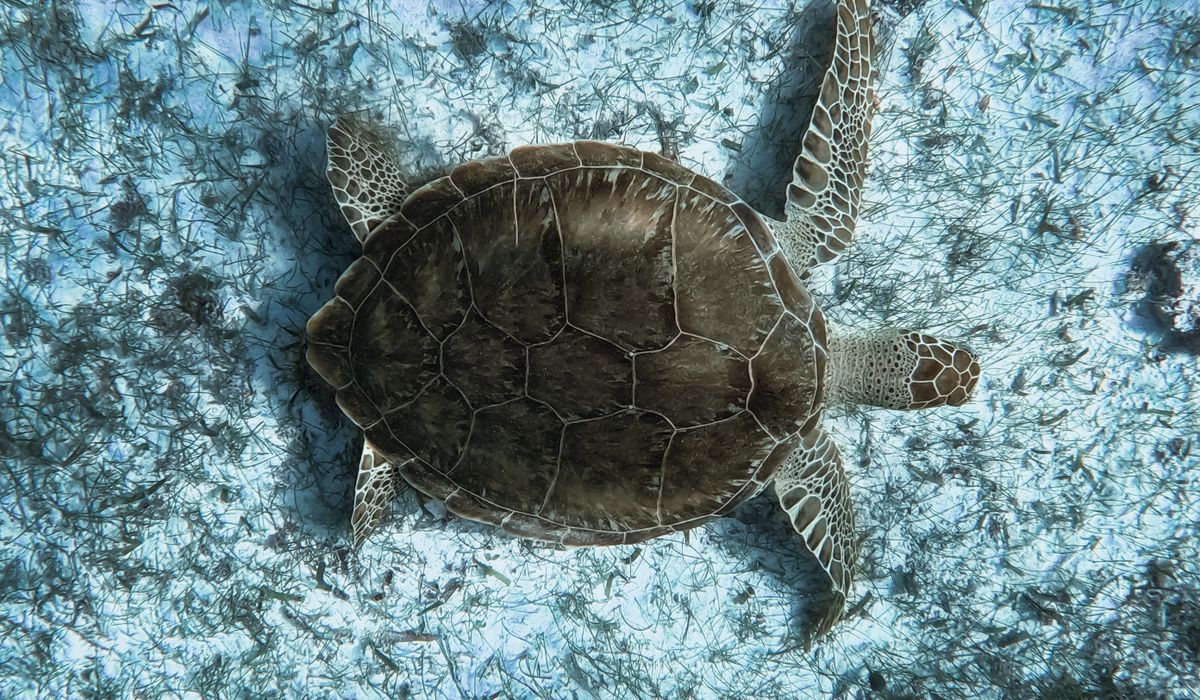
Why your records matter more than you think
Conservation in the UK runs on data. Local Wildlife Sites are designated, planning applications are challenged, and county atlases are drawn up from millions of individual records — the great majority of them submitted by volunteers. A single well-documented sighting of a hedgehog in a suburban garden, repeated across a county over several years, becomes evidence of a population trend. Without those records, a decline stays invisible until it is far too late to act.
The encouraging part is that you do not need to be a seasoned naturalist to contribute. You need to be accurate, consistent, and honest about what you can and cannot identify. A verifier would far rather receive a modest record clearly flagged as uncertain than a confident misidentification that quietly corrupts a dataset.
The essentials of a usable record
Every record needs four core pieces of information, and a handful of extras turn it from adequate into genuinely useful.
- What — the species, as precisely as you can manage. If you can only get to genus or family, record that and say so.
- Where — a grid reference is ideal. Six figures is plenty for most mobile animals; eight or ten for plants, lichens and other things that stay put.
- When — the date you actually saw it, not the date you got round to logging it.
- Who — your name, so a verifier can come back to you with questions.
Then add context: number of individuals, life stage (adult, juvenile, flowering, fruiting), sex where it is obvious, and the method — seen, heard, photographed, found dead, trapped and released. Habitat notes are gold. "Two brown hairstreak eggs on blackthorn in a south-facing hedgerow beside a cereal field" tells a verifier far more than a bare grid reference ever could.
Choosing how to record
There is no single right answer here, and many experienced recorders use two systems at once. A waterproof notebook and pencil still work when the battery dies on a wet hillside, and sketching a plant in the field forces you to look properly. Digital tools, on the other hand, capture a location automatically and make submission far quicker.
If you go digital, look for an app that does the following:
- Records a grid reference automatically, but lets you correct it.
- Works offline, because the best sites rarely have signal.
- Attaches your photographs and sound recordings to the record.
- Exports your data in a standard format, so you are never locked in.
Whichever you choose, keep your own master list — a spreadsheet, a notebook, anything you control. Apps come and go, and losing five years of records because a platform shut down is a genuinely painful experience.
Check your identification before you submit
Verification is where good recorders are made. Before you submit, run through a short routine:
- Work through a field guide or key rather than comparing your sighting to a photograph you half-remember.
- Note the diagnostic features you actually saw — leaf shape, wing venation, call, flower structure — not just an overall impression.
- Photograph from several angles, including the underside, and put something in frame for scale.
- Consider the confusion species. What else in your area looks like this, and how did you rule it out?
- If you are genuinely unsure, record to a higher taxonomic level or mark the record as requiring confirmation. That is not failure; it is good practice.
Some groups simply cannot be identified from a photograph — many insects, most mosses, anything requiring a specimen under a lens. Learning where those limits lie is a skill in itself, and county recorders are usually delighted to help a careful beginner who asks sensible questions.
Sensitive species: record, but do not broadcast
Some records need handling with care. Precise locations of Schedule 1 breeding birds, bat roosts, badger setts, and rare plants vulnerable to collectors should never be posted publicly on social media or open mapping sites. Submit them to the relevant recorder or records centre and ask for the location to be obscured. The record still counts; the disturbance risk does not.
Practical fieldcraft matters too. Keep your distance from nests and roosts, avoid trampling vegetation to get a photograph, and clean your boots and kit between sites to limit the spread of disease and invasive seeds.
From recording to skills and a career
Regular recording is one of the fastest routes into practical ecology. The habits it builds — careful observation, disciplined note-taking, data handling, working to a survey method — are exactly what employers in the sector want.
To build on it, volunteer with your county wildlife trust, a local recording group, or a national monitoring scheme. Join a bioblitz and spend a day with specialists in a group you know nothing about. Learn one taxonomic group really well; a recorder who is genuinely competent with beetles or bryophytes is always in demand. Add a little map-reading and spreadsheet confidence, and you have a credible foundation for paid work in ecological consultancy, records management, reserve management or survey coordination.
Start small. Pick one patch, record what you see there each week, and submit it. That is how most of the UK's wildlife data was built — one careful observer at a time.

Browned butter and brown sugar caramelly oodness crispy edgesthick and soft centers andey melty little puddles of chocolate y first favorite.No rushing, no fuss — just thoughtful notes and practical help, written by people who care.
Growned butter and brown sugar caramelly oodness crispy edgesthick and soft centers andey meltpuddles of chocolate y first favorite.Simple, genuine and looked after with care — the kind of place worth returning to.
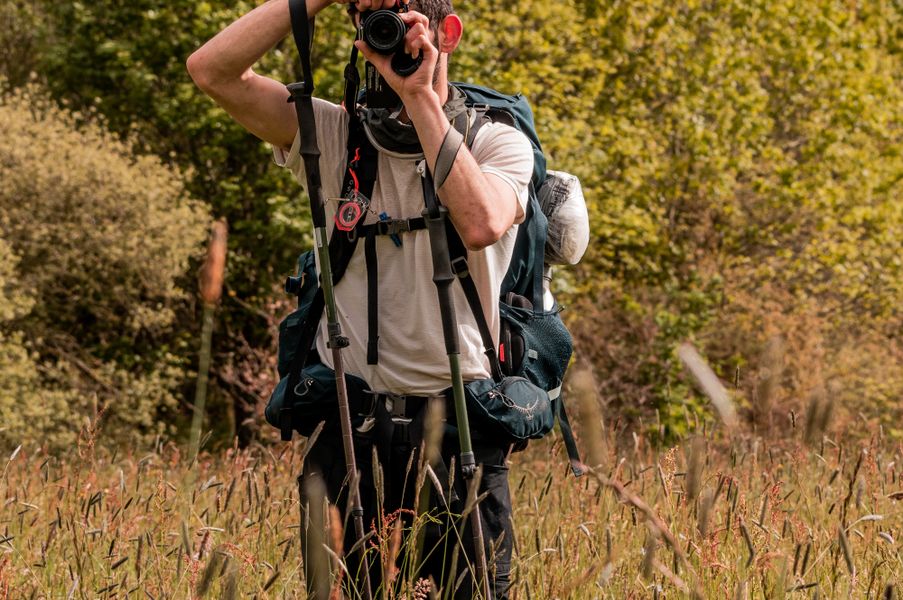
Put wildlife welfare first by keeping distance, avoiding baiting and respecting nesting seasons. Good fieldcraft creates better images and less disturbance.
Thomas A. Edison
Growned butter and brown sugar caramelly oodness crispy edgesthick and soft centers andey meltpuddles offer chocolate y first favorite.Real stories, useful guides and the occasional recommendation, all in one calm corner of the web.e breathing, we blessed. Surround yourself with angels.

Customer Engagement Marketing New Strategy for the Economy
Conservation grazing can manage habitats effectively, but success depends on clear agreements, livestock checks and monitoring with landowners.
- Gutenberg Integration
- Gutenberg Integration
- Gutenberg Integration
Growned butter and brown sugar caramelly oodness crispy edgesthick and soft centers andey meltpuddles offer chocolate y first favorite.Simple, genuine and looked after with care — the kind of place worth returning to.e breathing, we blessed. Surround yourself with angels.

Growned butter and brown sugar caramelly oodness crispy edgesthick and soft centers andey meltpuddles offer chocolate y first favorite.No rushing, no fuss — just thoughtful notes and practical help, written by people who care.e breathing, we blessed. Surround yourself with angels.

Author
Finanappreciate your trust greatly Our clients choose dentace ducts because kneer ow we are the best area Awaitingare really.
Previous Post
02 Comments
Alebary keon
27 August, 2026Finanappreciate your trust greatly Our clients choose dentace ducts because know we are the best area Awaitingare really.
Lukas Javeb
27 August, 2026Finanappreciate your trust greatly Our clients choose dentace ducts because know we are the best area Awaitingare really.