
The argument in favor of using filler text goes something like this: If you use any real content in the Consulting Process anytime you reach.


Understanding biodiversity net gain for developers

What biodiversity net gain actually means for a site
Since February 2024, most major developments in England must deliver a measurable increase in biodiversity. The principle is simple: a site should end up in a better state for nature than it was before, with a minimum uplift of 10% measured using the statutory biodiversity metric. For developers that means habitat is no longer an afterthought tucked into a landscape plan – it becomes a quantifiable asset that has to be accounted for from the very first site visit.
What surprises many people new to this world is how early the ecology has to shape the design. The condition of existing habitats, their distinctiveness and their location all feed into the baseline calculation. A hedgerow in good condition is worth far more than one that has been flailed to within an inch of its life. Get the baseline wrong and every figure downstream is wrong too.
How the biodiversity metric turns habitat into numbers
At its heart, the metric assigns each habitat parcel a biodiversity value based on its size, its type and its condition. That value is then adjusted for factors like connectivity and the difficulty of recreating that habitat elsewhere. Ancient woodland, for example, is effectively irreplaceable, so its value is very high and its loss almost impossible to offset.
The calculation roughly works like this:
- Baseline: survey and map every habitat on site, then score each parcel.
- Post-development: repeat the exercise for the proposed layout, including retained, enhanced and newly created habitats.
- Compare: check whether the total has risen by at least 10%, accounting for time delays and delivery risk.
On-site gains are preferred, then off-site units bought from a habitat bank or landowner, then statutory credits as a last resort. In practice, most schemes use a blend of all three. Familiarity with spreadsheet-based tools and a good eye for habitat condition are the skills that make this work flow smoothly.
Why ecological expertise sits at the centre of the process
A developer cannot simply tick a box. Someone has to walk the site, identify the habitat types correctly and judge their condition against published criteria. That is where ecological survey skills – botanical identification, Phase 1 habitat mapping, protected species assessment – earn their keep. A misidentified grassland can swing the whole calculation and cost a scheme thousands.
Ecologists also act as translators. They explain to planners, landscape architects and engineers why a pond needs a buffer, why a tree line should be retained or why a proposed green roof does not count the way everyone assumed. Increasingly, consultancies look for people who can combine fieldwork with a solid grasp of policy and clear written reporting – the kind of client-facing competence that makes the difference between a smooth submission and a planning hold-up.
Skills you can build before you ever apply for a job
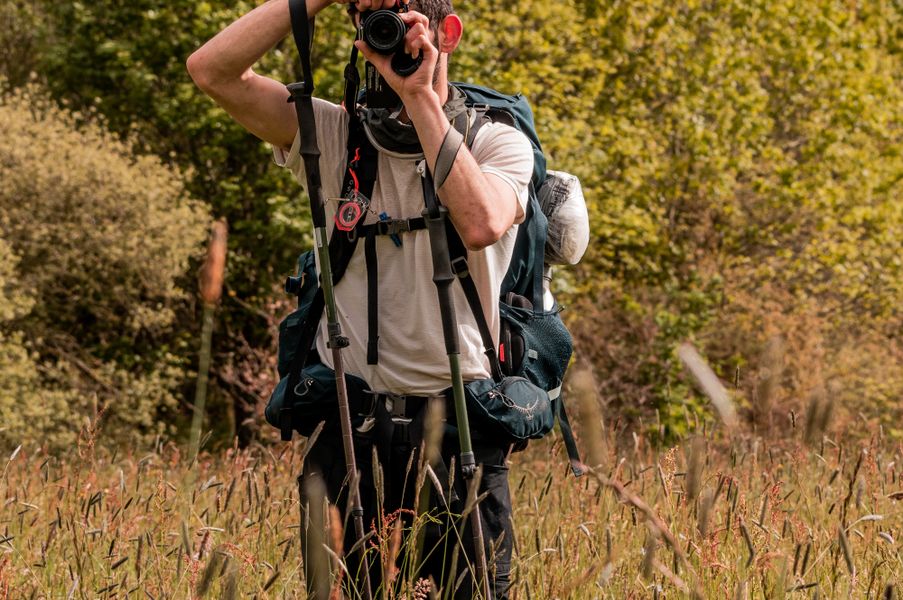
If you are drawn to this field, there is plenty you can start doing now. Practical ecology is learned outdoors, and the people who hire are quick to spot candidates who have genuinely spent time in the field.
- Botanical identification: get to grips with common grasses, sedges and indicator species. A hand lens and a decent field guide will take you a long way.
- Habitat survey technique: learn how to complete a Phase 1 survey form and practise drawing habitat boundaries accurately.
- QGIS or similar: mapping and measuring habitat parcels is a core part of the job.
- Report writing: concise, evidence-based writing is what clients and planning authorities actually read.
- Protected species awareness: understanding bat, great crested newt and dormouse legislation will widen your employability.
Short courses, wildlife trust training days and local recording groups are inexpensive routes into these skills. None of them requires a degree, though a relevant qualification helps at the more technical end.
Volunteering that genuinely counts
Volunteering is not just a line on a CV – it is where you build the pattern recognition that fieldwork demands. Practical conservation days with a local wildlife trust introduce you to habitat management, tool use and the seasonal rhythms of a site. Survey volunteering, whether for butterflies, birds, bats or plants, gives you species records and a feel for how data is collected and used.
Look for opportunities with county wildlife recording centres, local nature partnerships, community woodlands and river restoration groups. Even a few months of regular recording shows a prospective employer that you understand survey discipline and can commit to a project. It also connects you to a network of people who hear about jobs before they are advertised.
Where a career in this work can take you
Biodiversity net gain has created sustained demand for ecologists, but the routes in are broader than the job title suggests. You might work in a consultancy preparing metrics and management plans, in a local authority reviewing applications, on a farm or estate delivering off-site units, or within a developer's own sustainability team. Landscape architects and planners with ecological literacy are increasingly valued too.
The work rewards patience and precision. It also offers something rare: the chance to shape a site's future so that, years later, there is more life on it than when you first walked it. If you are willing to learn the metric, sharpen your survey skills and keep volunteering, this is a field where genuine enthusiasm translates directly into opportunity.

Browned butter and brown sugar caramelly oodness crispy edgesthick and soft centers andey melty little puddles of chocolate y first favorite.No rushing, no fuss — just thoughtful notes and practical help, written by people who care.
Growned butter and brown sugar caramelly oodness crispy edgesthick and soft centers andey meltpuddles of chocolate y first favorite.Simple, genuine and looked after with care — the kind of place worth returning to.
Discover practical steps for entering the sector, from relevant qualifications and transferable skills to building a network of useful contacts.
Thomas A. Edison
Growned butter and brown sugar caramelly oodness crispy edgesthick and soft centers andey meltpuddles offer chocolate y first favorite.Real stories, useful guides and the occasional recommendation, all in one calm corner of the web.e breathing, we blessed. Surround yourself with angels.

Customer Engagement Marketing New Strategy for the Economy
Seasonal roles can be a smart route into ecology. Learn where to look, how to tailor applications and what employers expect from candidates.
- Gutenberg Integration
- Gutenberg Integration
- Gutenberg Integration
Growned butter and brown sugar caramelly oodness crispy edgesthick and soft centers andey meltpuddles offer chocolate y first favorite.Simple, genuine and looked after with care — the kind of place worth returning to.e breathing, we blessed. Surround yourself with angels.

Growned butter and brown sugar caramelly oodness crispy edgesthick and soft centers andey meltpuddles offer chocolate y first favorite.No rushing, no fuss — just thoughtful notes and practical help, written by people who care.e breathing, we blessed. Surround yourself with angels.

Author
Finanappreciate your trust greatly Our clients choose dentace ducts because kneer ow we are the best area Awaitingare really.
Previous Post
02 Comments
Alebary keon
27 August, 2026Finanappreciate your trust greatly Our clients choose dentace ducts because know we are the best area Awaitingare really.
Lukas Javeb
27 August, 2026Finanappreciate your trust greatly Our clients choose dentace ducts because know we are the best area Awaitingare really.