
The argument in favor of using filler text goes something like this: If you use any real content in the Consulting Process anytime you reach.


Volunteering at a local nature reserve: what to expect
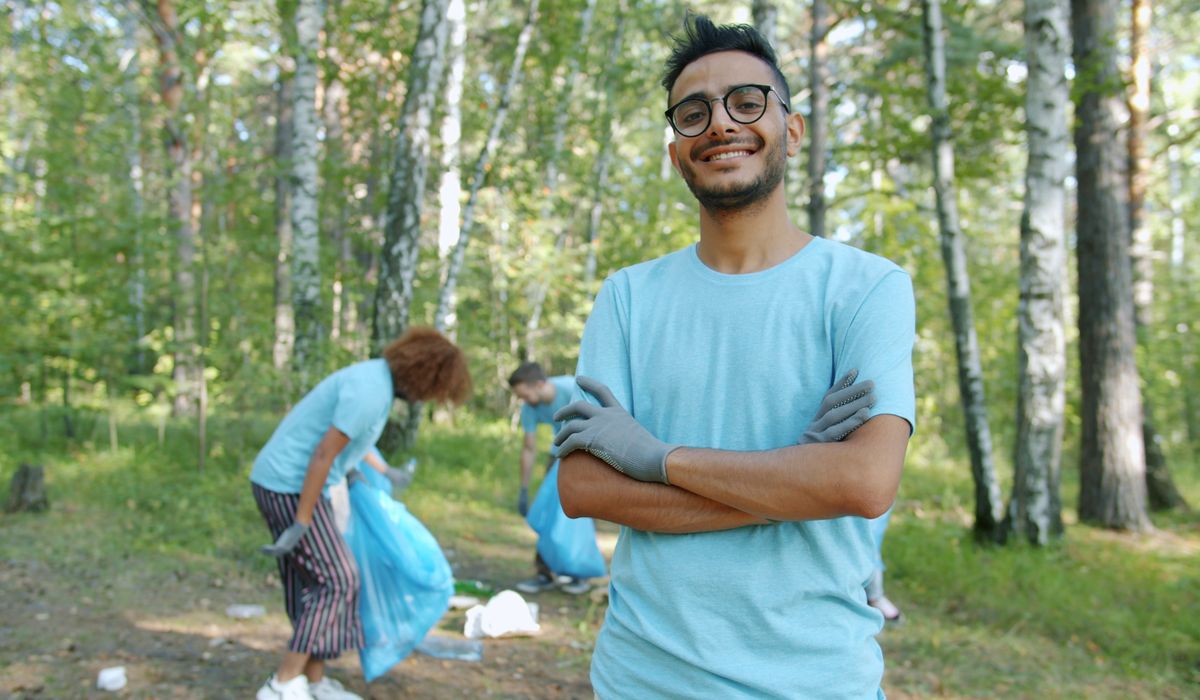
Why local reserves lean so heavily on volunteers
Walk around almost any local nature reserve in the UK and you are looking at volunteer work. The butterfly bank that catches the sun, the tidy hedge along the footpath, the pond that hasn't silted up — most of it is maintained by people who give up a Saturday morning, a Tuesday in January or a couple of hours after work. Staff teams are small; a single reserve officer might look after half a dozen sites spread across a county. Without volunteers, grazing would lapse, scrub would swallow the grassland, and the paths would disappear under brambles.
That makes volunteering genuinely useful rather than vaguely worthy. You turn up, you do a real job, and a rare orchid or a colony of common lizards has a slightly better year because of it.
What a typical day actually looks like
Most practical work parties run from around 10am to 3pm, often midweek and frequently on a weekend. You'll meet in a car park or at a reserve entrance, sign in, and be handed a brew while the leader runs through the plan for the day. Expect a short talk on safety: where the boundaries are, what to do if you find something interesting, where the nearest hospital is and which mobile network, if any, works on site.
Then it's a walk in — sometimes five minutes, occasionally twenty-five minutes across wet ground to a remote corner. Tools get handed out and demonstrated. Work usually runs until about half twelve, then lunch, then more work until roughly 3pm, followed by a sweep of the site for lost gloves and a slow trudge back to the vehicles.
There will be tea. There may well be cake. Someone will produce a flask of something suspicious and everyone will pretend to like it.
The work itself: a year on a reserve
Tasks follow the seasons, so the job changes every few weeks:
- Autumn and winter: scrub bashing, coppicing hazel and willow, laying hedges, building dead hedges, clearing ditches, planting whips, resurfacing paths, repairing boardwalks and gates.
- Early spring: fence repairs before stock go out, footpath edging, litter sweeps, checking nest boxes under supervision, installing temporary fencing around delicate ground.
- Late spring and summer: pulling Himalayan balsam before it sets seed, raking cut hay off meadows, controlling bracken, clearing pond vegetation after the breeding season, cutting back overhanging branches along rides.
- All year: litter picking, tool maintenance, sign repairs, and the endless quiet battle against whatever is growing somewhere it shouldn't.
Some days you'll barely touch a tool and instead count butterflies along a fixed transect, check reptile refugia — those squares of corrugated metal — or record water vole signs along a ditch. It's still work, and it's often the most valuable data the reserve collects all year.
What to wear and bring
Turn up as though for a wet walk with a chance of brambles:
- Sturdy boots, ideally with toe protection. Wellies are fine in winter, hopeless on slopes.
- Layers, a waterproof jacket, and a spare pair of socks in the car or rucksack.
- Leather gardening gloves if you have them; the reserve will usually have spares.
- A packed lunch, a flask, plenty of water, sun cream and midge repellent in season.
- Any medication you might need, and a note of anything relevant for the leader — asthma, allergies, a bad back, pregnancy.
Don't wear shorts, loose jewellery, or headphones. Tell the leader if you're unsure about using a tool; nobody minds, and it's how you learn. Under-16s generally need an adult with them, and some tools are restricted to over-18s, so it's worth asking before you travel.
The practical ecology skills you'll pick up
This is where volunteering earns its place on a CV. In a single season you can learn to use and sharpen a bow saw, loppers, slasher and billhook safely, to lay a hedge in the local style, and to judge which trees to take out and which to leave. You'll start recognising indicator species without thinking about it: dog's mercury and bluebell for ancient woodland, common reed and reedmace in the wetter corners, a dozen grasses you'd previously called "grass".
Beyond tools, you'll absorb the habits that employers in conservation actually want: writing a simple risk assessment, keeping a record sheet straight, working to a site management plan, and explaining to a curious dog walker why the brambles are being cut in February. Many coordinators will fund first aid, brushcutter or chainsaw courses for regular volunteers who've shown they'll stick around.
Keep a logbook. Dates, sites, tasks, species, any training. Two years of that is far more persuasive than a paragraph claiming you're passionate about the environment.
Getting started, and getting the most from it
Find your nearest reserves — parish, district, county or a conservation charity — and ask who runs the volunteer task days. Most welcome newcomers with no experience, and many are happy for you to come for a single taster session before committing. Ask what the day involves, whether tools and gloves are provided, and what the parking and toilet situation is, because on some sites the answer is "none" and you'd rather know beforehand.
Once you're in, the rewards come from repetition. Turning up reliably, learning the site, and noticing how a cleared glade responds the following summer is what turns a volunteer into someone a reserve manager trusts — and eventually into someone they hire.

Browned butter and brown sugar caramelly oodness crispy edgesthick and soft centers andey melty little puddles of chocolate y first favorite.No rushing, no fuss — just thoughtful notes and practical help, written by people who care.
Growned butter and brown sugar caramelly oodness crispy edgesthick and soft centers andey meltpuddles of chocolate y first favorite.Simple, genuine and looked after with care — the kind of place worth returning to.
From cleaning enclosures to assisting with releases, rescue volunteers need patience, teamwork and a calm approach around stressed animals.
Thomas A. Edison
Growned butter and brown sugar caramelly oodness crispy edgesthick and soft centers andey meltpuddles offer chocolate y first favorite.Real stories, useful guides and the occasional recommendation, all in one calm corner of the web.e breathing, we blessed. Surround yourself with angels.

Customer Engagement Marketing New Strategy for the Economy
A garden pond supports frogs, newts, dragonflies and birds. Learn safe siting, planting and maintenance for year-round wildlife value.
- Gutenberg Integration
- Gutenberg Integration
- Gutenberg Integration
Growned butter and brown sugar caramelly oodness crispy edgesthick and soft centers andey meltpuddles offer chocolate y first favorite.Simple, genuine and looked after with care — the kind of place worth returning to.e breathing, we blessed. Surround yourself with angels.

Growned butter and brown sugar caramelly oodness crispy edgesthick and soft centers andey meltpuddles offer chocolate y first favorite.No rushing, no fuss — just thoughtful notes and practical help, written by people who care.e breathing, we blessed. Surround yourself with angels.

Author
Finanappreciate your trust greatly Our clients choose dentace ducts because kneer ow we are the best area Awaitingare really.
Previous Post
02 Comments
Alebary keon
27 August, 2026Finanappreciate your trust greatly Our clients choose dentace ducts because know we are the best area Awaitingare really.
Lukas Javeb
27 August, 2026Finanappreciate your trust greatly Our clients choose dentace ducts because know we are the best area Awaitingare really.