
The argument in favor of using filler text goes something like this: If you use any real content in the Consulting Process anytime you reach.


What to do when you find an orphaned mammal
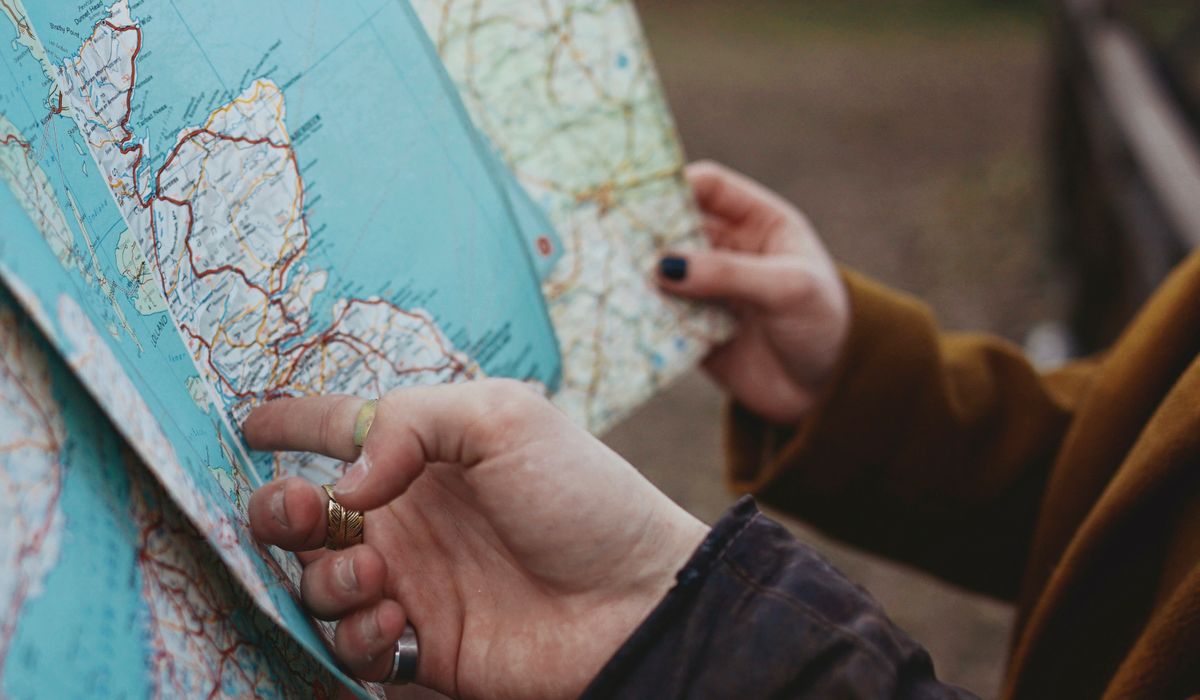
Most "orphaned" mammals are not orphaned at all
Few things pull at the heart like a lone deer calf curled in long grass or a hedgehog squabble of hoglets on a path in daylight. The instinct to scoop it up and rush it somewhere warm is entirely human. It is also, in the majority of cases, the single most harmful thing you can do.
Across the UK, the young of most mammal species are deliberately left alone for long stretches. A mother roe deer will tuck her calf into cover and stay away for hours at a time, returning only to feed, precisely so that her scent does not lead predators to it. A fox vixen moves cubs between earths. A lactating hedgehog feeds at dusk and dawn, leaving hoglets sleeping. A rabbit doe visits the nest only twice a day, for a few minutes. Every one of these animals looks abandoned and is not.
Our rescue centres take in thousands of young mammals each year, and a substantial proportion were never in trouble until a well-meaning member of the public picked them up. So the first rule of wildlife first aid is a counterintuitive one: do less, and observe more.
How to tell whether a young animal genuinely needs help
Stand well back — at least ten metres for deer, further if you can — and use binoculars or your phone's zoom. Then watch, quietly, for at least an hour if the animal is not in immediate danger. What you are looking for is evidence, not instinct.
- Signs it may need help: a visibly injured limb, blood, a cat or dog standing over it, fly eggs or maggots on the coat, a nest disturbed and destroyed, or a young animal that has been crying continuously for well over an hour without any adult appearing.
- Signs it is probably fine: a calm, tucked-up posture, a clean coat, no discharge around the eyes or nose, and a location that offers natural cover. A deer calf that flattens itself and stays still is behaving exactly as it should.
- Signs of genuine abandonment: a dead adult nearby, or a young animal that is thin, cold, weak or wandering and calling persistently.
Cold is the key practical indicator. A young mammal that feels cool to the touch, is limp, or is lying flat rather than curled is in trouble. That is a judgement you can make only after observation, not on first sight.
A quick guide to common UK species
- Deer calves are almost never orphaned. Leave them. If the calf is in a genuinely hazardous spot — on a road, in a garden with a loose dog — phone a wildlife rescue for advice before touching it.
- Hedgehogs out in daylight are usually in trouble. A hoglet under 300 grams, or any hog out in winter, needs help. Put it in a high-sided box with a towel and a wrapped hot water bottle, and ring a rescue.
- Rabbits and hares are notoriously stress-prone. Leverets are often left above ground from a very young age and are fine. Do not attempt to hand-rear; the survival rate is poor and the animal suffers.
- Squirrels — a fallen youngster with a mobile, uninjured parent nearby will often be retrieved. Give it space and watch.
- Fox and badger cubs above ground in daylight are unusual and worth reporting, but do not handle them yourself. Badgers in particular are legally protected.
- Seals — white-coated pups on a beach are routinely left while the mother fishes. Keep people and dogs at least 100 metres away and call a marine rescue. Never pour water on a pup.
- Bats found on the ground or in daylight need a licensed bat worker. Do not handle one unless advised to.
If you do need to intervene, do it safely and legally
Call a specialist first. A licensed wildlife rescue, your local veterinary practice, or a national animal welfare helpline will talk you through the next step and, if necessary, arrange collection. Many will advise you to contain the animal safely and wait, which is often far less stressful for it than a car journey.
If you are asked to handle an animal: wear gloves, use a towel to cover the head and body, and place it in a secure, ventilated box lined with something soft. Keep it dark, quiet and warm. Do not offer food or water unless a rescuer specifically tells you to — feeding the wrong milk or the wrong food can be fatal, and aspirated fluid into the lungs is a common and preventable killer.
Remember that all wild mammals in the UK are protected by law to varying degrees. It is an offence to keep a wild animal without proper authority, and rehabilitation requires training, licences and specialist facilities. Your role is to be the bridge, not the hospital.
What not to do
- Do not assume abandonment before observing from a distance.
- Do not feed cow's milk, bread or human baby formula to any wild mammal.
- Do not handle young animals more than necessary, and never let children or pets near.
- Do not relocate an animal "somewhere safer" — mothers return to the exact spot.
- Do not attempt to rear an animal yourself, however good your intentions.
From good instincts to real skills
If you find yourself wanting to do more than make a phone call, that impulse is worth channelling properly. Wildlife rescue charities rely heavily on trained volunteers for transport, cleaning, feeding and release-site monitoring, and most ask for a regular commitment rather than occasional help.
For a career, the useful foundations are practical and unglamorous: survey skills, species identification, handling and restraint, record-keeping, and an understanding of wildlife law and licensing. Local mammal groups, county wildlife trusts and biological recording schemes run training days and field surveys where you can build these. Ecology or zoology qualifications open doors, but so does a documented history of volunteering, nest recording, and licensed work alongside experienced handlers.
The best thing you can do for an orphaned mammal is usually nothing at all — and the best thing you can do for wildlife generally is learn enough to know when nothing is the right answer, and when a quiet, well-informed phone call is everything.

Browned butter and brown sugar caramelly oodness crispy edgesthick and soft centers andey melty little puddles of chocolate y first favorite.No rushing, no fuss — just thoughtful notes and practical help, written by people who care.
Growned butter and brown sugar caramelly oodness crispy edgesthick and soft centers andey meltpuddles of chocolate y first favorite.Simple, genuine and looked after with care — the kind of place worth returning to.
This guide explains legal protections for species such as bats, badgers and newts, and what volunteers must know before starting work.
Thomas A. Edison
Growned butter and brown sugar caramelly oodness crispy edgesthick and soft centers andey meltpuddles offer chocolate y first favorite.Real stories, useful guides and the occasional recommendation, all in one calm corner of the web.e breathing, we blessed. Surround yourself with angels.

Customer Engagement Marketing New Strategy for the Economy
Bat detectors turn ultrasonic calls into sounds you can hear. Learn common settings, survey timing and how to record useful data.
- Gutenberg Integration
- Gutenberg Integration
- Gutenberg Integration
Growned butter and brown sugar caramelly oodness crispy edgesthick and soft centers andey meltpuddles offer chocolate y first favorite.Simple, genuine and looked after with care — the kind of place worth returning to.e breathing, we blessed. Surround yourself with angels.

Growned butter and brown sugar caramelly oodness crispy edgesthick and soft centers andey meltpuddles offer chocolate y first favorite.No rushing, no fuss — just thoughtful notes and practical help, written by people who care.e breathing, we blessed. Surround yourself with angels.

Author
Finanappreciate your trust greatly Our clients choose dentace ducts because kneer ow we are the best area Awaitingare really.
Next Post
02 Comments
Alebary keon
27 August, 2026Finanappreciate your trust greatly Our clients choose dentace ducts because know we are the best area Awaitingare really.
Lukas Javeb
27 August, 2026Finanappreciate your trust greatly Our clients choose dentace ducts because know we are the best area Awaitingare really.