
The argument in favor of using filler text goes something like this: If you use any real content in the Consulting Process anytime you reach.


Understanding UK protected species legislation for volunteers
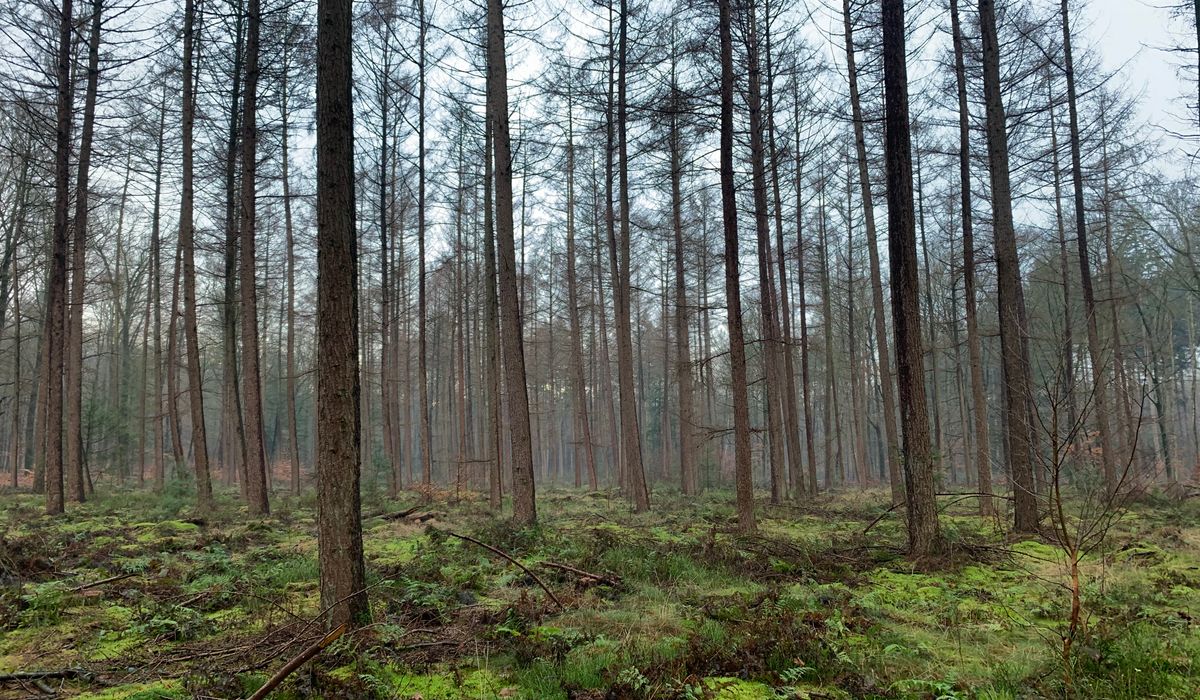
Why the law should shape your first day on site
Most volunteers meet protected species legislation the moment they pick up a pair of loppers. A hedge that needs laying, a pond that needs clearing, a leaky barn roof that needs mending — any of these can put you within touching distance of species that carry serious legal protection. The rules are not there to trip you up. They exist because British wildlife has been squeezed into a fraction of its former range, and legislation is often the only thing standing between a dwindling population and a tidied-up site. Understanding the basics protects the wildlife, your volunteer group and you.
The four legal cornerstones you will meet
You do not need to memorise statute, but you should recognise the names when a site briefing mentions them.
- Wildlife and Countryside Act 1981 (as amended) — the backbone of UK species protection. It covers protected animals, birds, plants and invasive species through a series of schedules.
- Conservation of Habitats and Species Regulations 2017 (as amended) — the "European protected species" rules, covering bats, great crested newts, dormice, otters, sand lizards, smooth snakes and natterjack toads, among others.
- Protection of Badgers Act 1992 — deals specifically with badgers and their setts.
- Wild Mammals (Protection) Act 1996 — cruelty offences affecting all wild mammals.
Scotland, Wales and Northern Ireland each layer their own legislation and guidance on top, so the detail can differ by nation. Alongside protection, there are also species of principal importance — sometimes called Section 41 or Section 7 lists — which are not fully protected but must be considered in planning and land management. They are well worth learning, because they often guide where practical work is targeted.
Bats, badgers and newts: the practical rules
These three groups account for the majority of awkward conversations on volunteer task days.
- Bats. All UK bat species are protected, and their roosts are protected even when the bats are absent. You must not handle a bat, enter a roost, or disturb a roost without a licence. That includes torch-and-mirror checks of roof voids. Volunteers can work alongside bats, but only under the supervision of a named licence holder following an agreed method statement.
- Badgers. It is an offence to interfere with a sett — damaging it, obstructing entrances, or disturbing badgers inside. This catches people out because a sett can look like a pile of spoil. Machinery working nearby, scrub clearance and even heavy footfall can count. If a sett is present, stop and seek advice before doing anything.
- Great crested newts. Fully protected as a European protected species. Pond maintenance, vegetation clearance and ditch work can all affect them. Survey work needs a licence, and so does any activity likely to disturb newts or damage their breeding and resting places.
Birds, plants and the seasons
Every wild bird nest in the UK is protected while it is in use or being built. In practice, assume March to August as the sensitive window, though some species nest earlier and a few nest later — and birds will happily use a hedge you planned to cut in September. Schedule 1 species, such as barn owl and kingfisher, receive extra protection from disturbance at the nest, so always check before working near a known nest site.
Plants matter too. Under the Wildlife and Countryside Act it is an offence to uproot any wild plant without the landowner's permission, and Schedule 8 species have stronger protection covering picking and sale. Practical sessions clearing a site should always be led by someone who knows what is growing there. Also watch for invasive non-native plants on Schedule 9 — soil and cuttings must be handled carefully so you do not spread them.
What this means for you as a volunteer
Your responsibilities are simpler than the legislation suggests.
- Ask before you start. A good site briefing covers protected species checks, any licence numbers, and the method statement. If nobody mentions it, ask.
- Work under supervision. Licensed activities can only be carried out by the licence holder or by someone working under their direct supervision. You cannot "have a go" at handling a bat or checking a dormouse box.
- Accept that ignorance is not a defence. Several offences are strict liability — no intent required. That is why the cautious approach is always the right one.
- Use the stop-work rule. If you uncover something unexpected — a torpid bat in a log pile, a newt under a refugia, a nest with eggs — stop, mark the spot, and fetch the site officer. Do not move it, cover it or tidy around it.
- Record what you see. Send casual sightings to your local environmental records centre. Records drive conservation priorities far more than people realise.
- Look after yourself too. Wear gloves when handling timber or soil, wash your hands afterwards, and never handle wildlife unless a licensed person has asked you to.
Building skills that make you genuinely useful
Volunteering is the standard route into ecology work, and the skills most in demand are specific rather than general. Botanical identification is the single biggest gap in the sector — start with common indicator species and build from there. Phase 1 habitat survey, protected species awareness, bat detector use, amphibian and reptile survey techniques, and safe use of hand tools all make you far more employable on conservation grazing, reserve management and consultancy projects.
Keep a field notebook. Log your hours and the habitats and species you have worked with, because licence applications and job applications both demand evidence of experience. Join your local wildlife trust, a county recording group or a mammal or amphibian group, and find a mentor who will let you shadow their survey work. Skills take a season or two to bed in, but the path from willing volunteer to capable ecologist is well trodden — and it starts with knowing what you must not touch, and who to ask when you are unsure.

Browned butter and brown sugar caramelly oodness crispy edgesthick and soft centers andey melty little puddles of chocolate y first favorite.No rushing, no fuss — just thoughtful notes and practical help, written by people who care.
Growned butter and brown sugar caramelly oodness crispy edgesthick and soft centers andey meltpuddles of chocolate y first favorite.Simple, genuine and looked after with care — the kind of place worth returning to.
Bat detectors turn ultrasonic calls into sounds you can hear. Learn common settings, survey timing and how to record useful data.
Thomas A. Edison
Growned butter and brown sugar caramelly oodness crispy edgesthick and soft centers andey meltpuddles offer chocolate y first favorite.Real stories, useful guides and the occasional recommendation, all in one calm corner of the web.e breathing, we blessed. Surround yourself with angels.

Customer Engagement Marketing New Strategy for the Economy
Owl pellets reveal what local birds have eaten. Learn safe collection, dissection methods and how to identify small mammal remains.
- Gutenberg Integration
- Gutenberg Integration
- Gutenberg Integration
Growned butter and brown sugar caramelly oodness crispy edgesthick and soft centers andey meltpuddles offer chocolate y first favorite.Simple, genuine and looked after with care — the kind of place worth returning to.e breathing, we blessed. Surround yourself with angels.

Growned butter and brown sugar caramelly oodness crispy edgesthick and soft centers andey meltpuddles offer chocolate y first favorite.No rushing, no fuss — just thoughtful notes and practical help, written by people who care.e breathing, we blessed. Surround yourself with angels.

Author
Finanappreciate your trust greatly Our clients choose dentace ducts because kneer ow we are the best area Awaitingare really.
Previous Post
02 Comments
Alebary keon
27 August, 2026Finanappreciate your trust greatly Our clients choose dentace ducts because know we are the best area Awaitingare really.
Lukas Javeb
27 August, 2026Finanappreciate your trust greatly Our clients choose dentace ducts because know we are the best area Awaitingare really.