
The argument in favor of using filler text goes something like this: If you use any real content in the Consulting Process anytime you reach.


Surveying small mammals with live traps
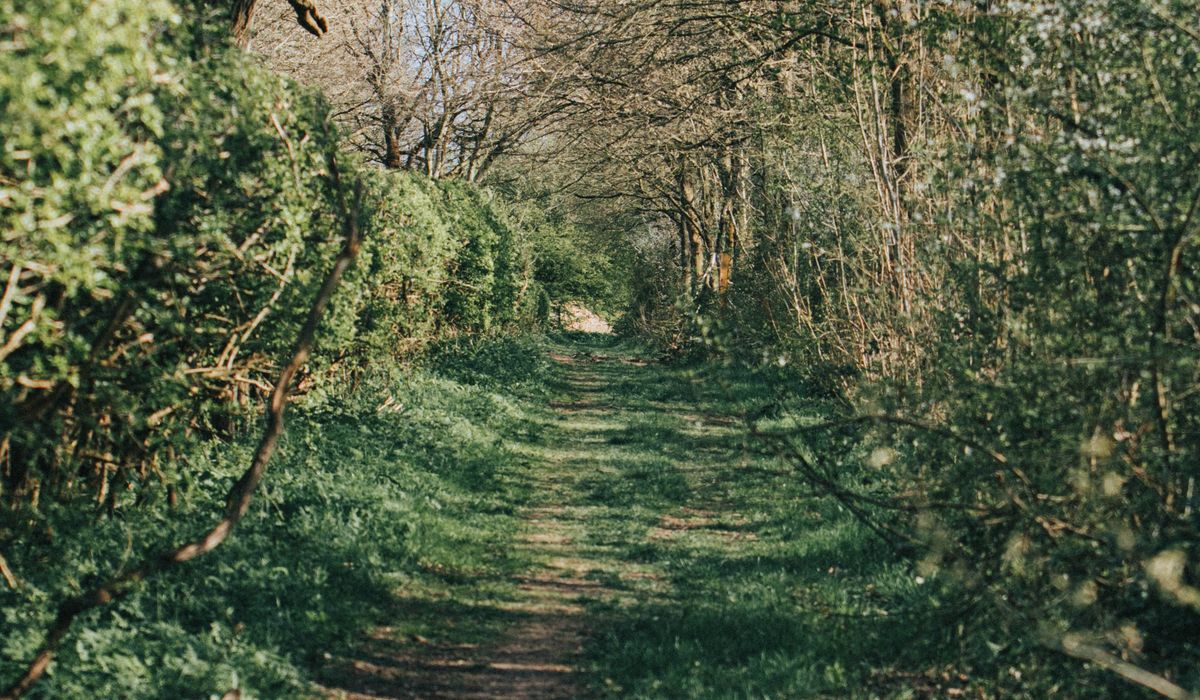
There is something quietly thrilling about lifting the lid of a Longworth trap at dawn and finding a wood mouse peering back at you. Live trapping is one of the most rewarding ways to survey small mammals, and it sits at the heart of many conservation careers. But it is also one of the most regulated and welfare-sensitive field skills you can learn. Before you join a survey, you need to understand the law, the ethics and the practical checks that keep animals safe.
Why live trapping matters for conservation
Small mammals are hard to see. Voles, mice, shrews and rats rarely sit still for a casual walkover. Live trapping gives ecologists reliable data on species presence, population size, sex ratios, breeding condition and habitat use. That evidence shapes land management, planning decisions, reintroduction projects and species recovery programmes. For volunteers, it is a direct route into practical ecology: you learn identification, handling, recording and field craft all at once.
Common target species include bank vole, field vole, wood mouse, yellow-necked mouse, house mouse, brown rat, common shrew, pygmy shrew and water shrew. Hazel dormouse is a special case, requiring a separate licence and very specific methods. You may also encounter protected species such as otter or polecat, which need immediate careful release and reporting.
Legal requirements: licences, consent and protected species
In the UK, live trapping small mammals is not a casual activity. You generally need a licence from the relevant statutory conservation agency for the country you are working in. In England, Wales and Scotland, that means the appropriate government nature conservation body; in Northern Ireland, the equivalent environmental agency. The licence is usually held by an experienced person, and volunteers work under their supervision.
Licences come with conditions. These typically cover:
- Trap type and number, and where they can be set.
- Maximum time between trap checks, often every few hours.
- Training and competence requirements for the licence holder and assistants.
- Species that must be released immediately or reported.
- Record keeping and reporting to the licensing authority.
You also need written permission from the landowner or occupier. Never assume access. Be clear about where traps will go, how long you will be on site and how you will leave the habitat. If a protected species is caught, follow the licence conditions and the instruction of the licence holder. Hazel dormouse, for example, requires a specialist licence and cannot be handled by unlicensed volunteers.
Welfare and ethical handling: the non-negotiables
Live trapping is only acceptable if animal welfare comes first. A trap is a temporary confinement, not a convenience. Every check is a welfare check. Traps must be set with adequate bedding, such as hay or dried grass, and food. Longworth traps usually contain a food hopper with seed mix and sometimes mealworms for shrews, which need to eat frequently. Shrews are especially vulnerable to stress and starvation, so check times matter hugely.
Practical welfare rules include:
- Check traps at least every four hours during the day, and more often in extreme weather.
- Open traps if conditions become too hot, too cold, wet or windy.
- Use handling bags or clear handling containers, never bare hands for small mammals.
- Keep handling time to a minimum, and release animals at the point of capture.
- Record data quickly and calmly: species, sex, weight, breeding condition and any marks.
- Disinfect traps and equipment between sites to reduce disease risk.
Stress is cumulative. If an animal appears lethargic, injured or unusually agitated, release it promptly and record what you saw. Your licence holder should have a clear protocol for injuries, escapes and unexpected catches. Good surveyors are quiet, efficient and observant. They do not chase data at the expense of the animal.
What a typical survey day looks like
Most small mammal surveys start before dusk. You set traps in lines or grids, with marked positions and detailed notes. Habitat matters: bank voles favour dense scrub and woodland edge, field voles prefer rough grassland, wood mice are often in hedgerows and woodland, and shrews need damp, invertebrate-rich ground. Traps are placed under cover, with a little bedding and food, and the location is recorded with a GPS or grid reference.
The next morning, checks begin at first light. You work steadily along the line, checking each trap, handling any captures, and recording data. Traps are reset or closed depending on the survey design. Evening checks follow, and the cycle repeats for the survey period. It is physical work: early starts, uneven ground, carrying equipment and maintaining focus. But it is also deeply satisfying.
Building skills from volunteer to licensed trapper
You do not need a degree to start, but you do need training. Join a local mammal group, volunteer with a conservation charity or ask a licensed ecologist if you can assist on surveys. Learn identification from skulls, teeth, fur and measurements. Practise handling with experienced supervision. Keep a logbook of your hours, species handled and techniques used. This evidence supports a future personal licence application.
Useful skills to develop alongside trapping include:
- Small mammal identification and ageing.
- Map reading, GPS use and grid references.
- Data recording, spreadsheets and report writing.
- Risk assessment, lone working and first aid.
- Habitat assessment and protected species awareness.
Careers in ecology, conservation and environmental consultancy often begin with volunteering. Assistant ecologist, field surveyor, ranger and research assistant roles all value practical trapping experience. The licence itself takes time and demonstrated competence, so start early, be patient and treat every survey as a chance to learn. The small mammals will teach you more than any textbook if you let them.

Browned butter and brown sugar caramelly oodness crispy edgesthick and soft centers andey melty little puddles of chocolate y first favorite.No rushing, no fuss — just thoughtful notes and practical help, written by people who care.
Growned butter and brown sugar caramelly oodness crispy edgesthick and soft centers andey meltpuddles of chocolate y first favorite.Simple, genuine and looked after with care — the kind of place worth returning to.
Hedgehog rescues need warmth, suitable food and treatment for parasites. Learn basic care and when to pass an animal to experts.
Thomas A. Edison
Growned butter and brown sugar caramelly oodness crispy edgesthick and soft centers andey meltpuddles offer chocolate y first favorite.Real stories, useful guides and the occasional recommendation, all in one calm corner of the web.e breathing, we blessed. Surround yourself with angels.

Customer Engagement Marketing New Strategy for the Economy
Rehabilitation demands specialist facilities and veterinary support. Find out how birds of prey are treated, exercised and prepared for release.
- Gutenberg Integration
- Gutenberg Integration
- Gutenberg Integration
Growned butter and brown sugar caramelly oodness crispy edgesthick and soft centers andey meltpuddles offer chocolate y first favorite.Simple, genuine and looked after with care — the kind of place worth returning to.e breathing, we blessed. Surround yourself with angels.

Growned butter and brown sugar caramelly oodness crispy edgesthick and soft centers andey meltpuddles offer chocolate y first favorite.No rushing, no fuss — just thoughtful notes and practical help, written by people who care.e breathing, we blessed. Surround yourself with angels.

Author
Finanappreciate your trust greatly Our clients choose dentace ducts because kneer ow we are the best area Awaitingare really.
Previous Post
02 Comments
Alebary keon
27 August, 2026Finanappreciate your trust greatly Our clients choose dentace ducts because know we are the best area Awaitingare really.
Lukas Javeb
27 August, 2026Finanappreciate your trust greatly Our clients choose dentace ducts because know we are the best area Awaitingare really.