
The argument in favor of using filler text goes something like this: If you use any real content in the Consulting Process anytime you reach.


Managing hedgerows for birds and insects
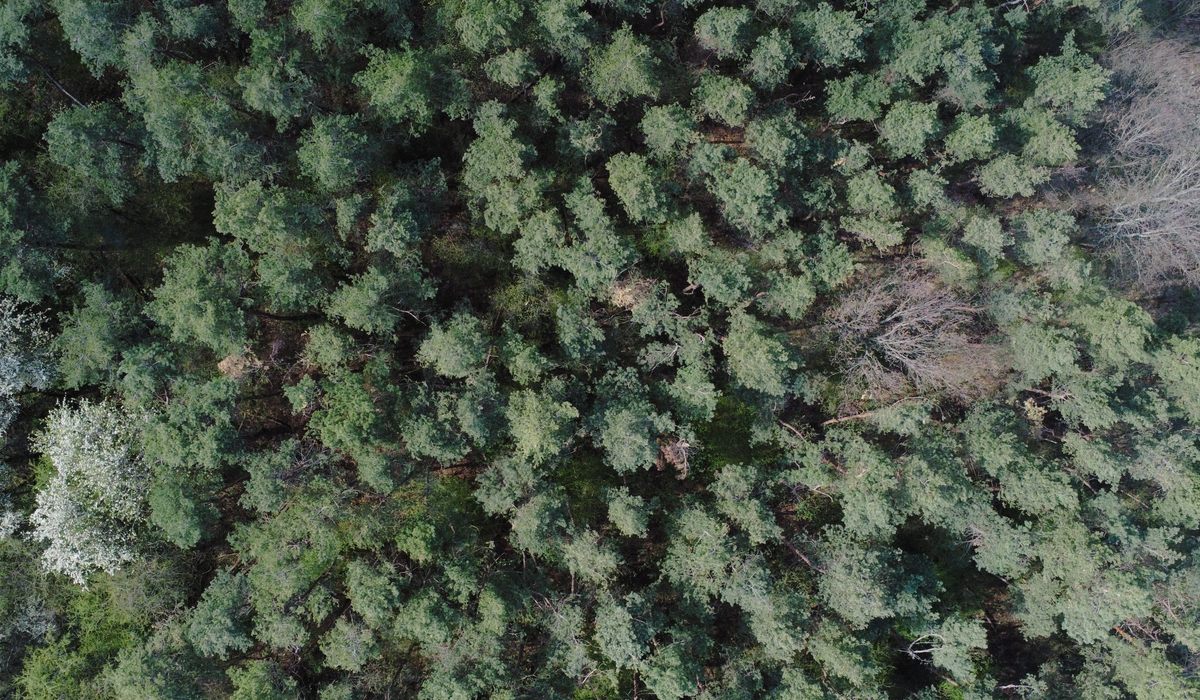
Why hedgerows punch above their weight
Few habitats in the British countryside work as hard as a decent hedgerow. In a landscape that is roughly seventy per cent farmed, a well-managed hedge is food, shelter, corridor and nest site rolled into one long, living structure. Hawthorn and blackthorn blossom in April and May feeds early solitary bees, hoverflies and the first queen bumblebees out of hibernation. Through summer the foliage hosts caterpillars, aphids and spiders, which in turn feed dunnocks, whitethroats and yellowhammers. By autumn the berries are stripped by redwings, fieldfares and bullfinches, and the dense base gives shelter to wrens, mice and, on the right soils, hazel dormice.
The trouble is that a hedge cut every year with a flail becomes a thin, gappy line with little blossom, fewer berries and nowhere safe to nest. The good news is that small changes in how and when you cut can transform a hedge within two or three seasons.
Survey before you touch a flail
Good management starts with looking properly. Walk your hedge in winter, when the structure is visible, and again in late spring, when you can see what is using it. Note the species present, the approximate height and width, the width of the base, and where the gaps are. A useful hedge is usually at least two metres tall and two metres wide at the base, with a dense, bushy bottom rather than a bare, leggy stem.
Look for clues as you go:
- Brown hairstreak eggs on blackthorn: tiny white discs, like miniature sea urchins, on the tips of one or two-year-old shoots. If you find them, leave that section uncut for another winter.
- Nests the size of a fist, often in the middle third of the hedge, which suggests dunnocks and robins are breeding.
- Ivy flowering in September and October, which is a lifeline for late bees, red admirals and holly blue butterflies.
- Ground flora along the base, such as cow parsley, hedge woundwort and red campion, which needs light and a little space.
Write it down and keep it year on year. Consistency matters more than perfection, and a simple record quickly becomes evidence of change.
Cutting at the right time, and not every year
The single most valuable change is to stop cutting annually. Flailing every autumn removes the shoots that would flower and fruit the following year, and it clips the hedge into a box shape that offers little shelter. Aim for a rotation instead.
- Cut in late January or February. By then, winter thrushes have taken most of the berries, and you are clear of the nesting season, which runs from March to August. Cutting in September or October wastes a whole winter of food.
- Cut one side at a time. Take one face in year one, the other in year two, and the top only occasionally. This leaves half the hedge fruiting and flowering every year.
- Leave at least a third of the length uncut, or cut it on a three to five-year cycle. Long, unruly sections are where you get the thick, sheltered nesting cover that whitethroats and linnets need.
- Cut high and leave the base. Keep the flail head well above ground level, ideally leaving 15 to 20 centimetres of woody growth, and never scalp the hedge down to a uniform height.
- Stack the cuttings in a quiet corner rather than burning them. Brash piles are excellent for hedgehogs, slow worms and overwintering invertebrates.
Aim for an A-shaped profile: wide at the base, tapering to the top. That shape lets light reach the hedge bottom while keeping the structure dense.
Planting a mix that feeds wildlife
If you are planting or filling gaps, choose native species and plant a genuine mixture. Hawthorn and blackthorn should make up the bulk, perhaps sixty to seventy per cent, but a hedge with only one species is a hedge with one flowering period and one fruiting period.
- Structure and nest sites: hawthorn, blackthorn, hazel, field maple.
- Autumn and winter food: dog rose, guelder rose, spindle, crab apple, wild cherry, holly, buckthorn.
- Later flowers for insects: ivy, honeysuckle, bramble at the base, dogwood.
Plant bare-root whips between November and March, in a double staggered row about 30 to 40 centimetres apart, and mulch well. Use spiral guards where rabbits and deer are a problem, but remove them after three to five years so the hedge can thicken naturally. Once established, laying the hedge on a 15 to 25-year cycle rejuvenates it, thickening the base and extending its life for decades.
Skills worth learning as a volunteer
Hedgerows are a superb training ground for anyone building a career in practical conservation. The skills that employers in ecology, farm advice and reserve management look for are all learnable on a hedge.
- Winter identification of trees and shrubs by bud, twig and bark. It is a genuinely employable skill and it takes a season to get comfortable with.
- Hedge laying, usually taught on weekend courses between October and March. Most volunteer conservation groups run them, and you will learn the Midland and Devon styles.
- Survey and recording, including condition assessments, measuring height, width and gaps, and submitting records to your local records centre.
- Protected species awareness, particularly nesting birds, dormice and bats, so you know when to stop work and seek advice.
Turning up regularly to a local group matters more than any certificate. Two winters of laying and survey work will teach you more than a short course alone.
Reading the results
Give a hedge three years of gentler management and you should notice changes. More blossom in spring, more berries in autumn, and more birds using the hedge rather than merely passing through. Listen for the scratchy song of a dunnock from the base, the churring of a whitethroat from the top, and the low chatter of a flock of linnets in winter. Count what you can: flowers on a measured stretch, berries on marked branches, nests found during a careful spring walk.
Record what you see, adjust the rotation, and leave a little untidiness behind. The hedge will do the rest.

Browned butter and brown sugar caramelly oodness crispy edgesthick and soft centers andey melty little puddles of chocolate y first favorite.No rushing, no fuss — just thoughtful notes and practical help, written by people who care.
Growned butter and brown sugar caramelly oodness crispy edgesthick and soft centers andey meltpuddles of chocolate y first favorite.Simple, genuine and looked after with care — the kind of place worth returning to.
If you find an injured wild bird, keep it dark, quiet and warm. Contact a licensed rehabilitator before offering food or water.
Thomas A. Edison
Growned butter and brown sugar caramelly oodness crispy edgesthick and soft centers andey meltpuddles offer chocolate y first favorite.Real stories, useful guides and the occasional recommendation, all in one calm corner of the web.e breathing, we blessed. Surround yourself with angels.

Customer Engagement Marketing New Strategy for the Economy
Orphaned mammals are rarely truly abandoned. Observe from a distance and call a specialist before intervening to avoid causing harm.
- Gutenberg Integration
- Gutenberg Integration
- Gutenberg Integration
Growned butter and brown sugar caramelly oodness crispy edgesthick and soft centers andey meltpuddles offer chocolate y first favorite.Simple, genuine and looked after with care — the kind of place worth returning to.e breathing, we blessed. Surround yourself with angels.

Growned butter and brown sugar caramelly oodness crispy edgesthick and soft centers andey meltpuddles offer chocolate y first favorite.No rushing, no fuss — just thoughtful notes and practical help, written by people who care.e breathing, we blessed. Surround yourself with angels.

Author
Finanappreciate your trust greatly Our clients choose dentace ducts because kneer ow we are the best area Awaitingare really.
Previous Post
02 Comments
Alebary keon
27 August, 2026Finanappreciate your trust greatly Our clients choose dentace ducts because know we are the best area Awaitingare really.
Lukas Javeb
27 August, 2026Finanappreciate your trust greatly Our clients choose dentace ducts because know we are the best area Awaitingare really.