
The argument in favor of using filler text goes something like this: If you use any real content in the Consulting Process anytime you reach.


Finding seasonal ecology jobs when you have no experience
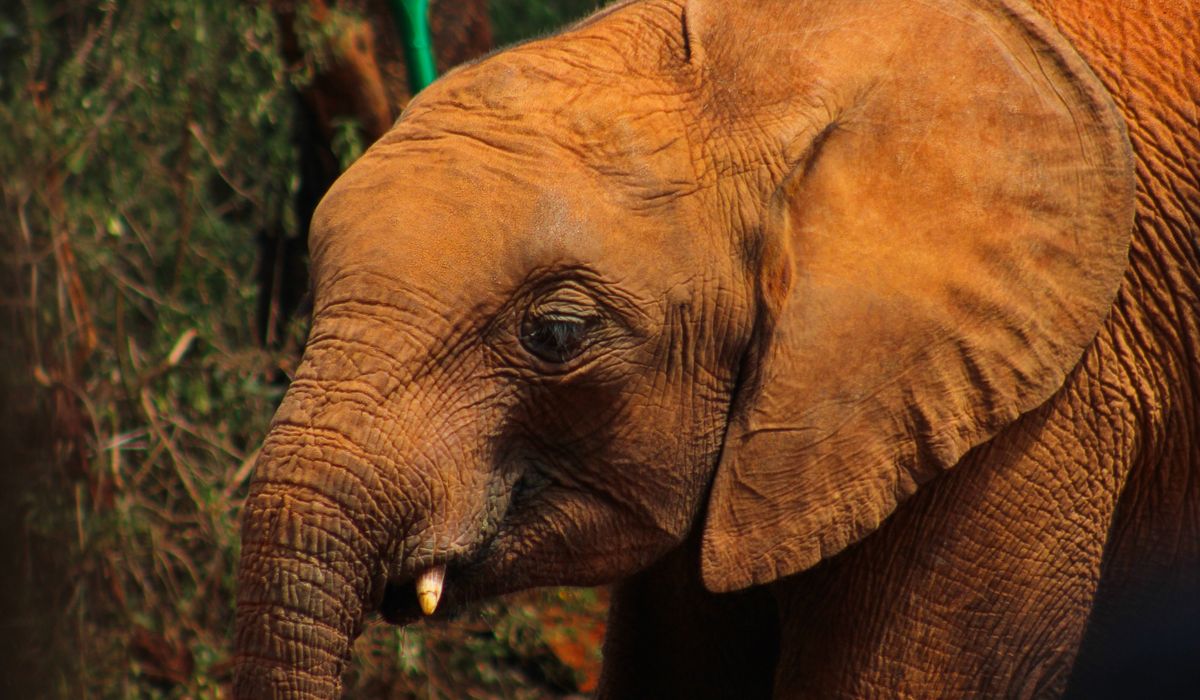
Why seasonal work is the smartest way in
Ecology is one of those fields where nobody expects you to arrive fully formed. Seasonal contracts, usually running from three to six months, are timed around survey windows: great crested newt work from March to June, bat roost and activity surveys from May to September, dormouse checks from April onwards, breeding bird transects in spring, botanical surveys in high summer. Employers need a lot of pairs of hands for a short, intense period, so they are far more willing to take on someone with enthusiasm and basic competence than a permanent role ever would be.
That is the trade. You accept a modest wage and a fixed end date, and in return you get paid field time, a supervisor who will show you how a proper survey is run, and a reference that actually means something. Most ecologists you meet have strung several of these together before landing something permanent.
Where the jobs actually appear
Seasonal vacancies are rarely advertised in one tidy place. Cast a wide net and check often.
- County wildlife trusts and local records centres, who run reserve management, monitoring and citizen science contracts.
- Ecological consultancies, from one-person outfits to large practices, who take on survey assistants each spring. Check their careers pages directly rather than waiting for a job board.
- National park authorities, AONB teams and local authority countryside services, who often need seasonal rangers and survey support.
- Environmental job boards and sector newsletters, plus university careers services and alumni networks.
- Species groups and recording societies, whose members hear about short contracts before anyone else.
Timing matters more than most people realise. Spring and summer roles are usually advertised between December and February, and autumn or winter bat work appears in late summer. Set up alerts in November and apply within days, because many contracts close as soon as the right person appears.
What employers expect from a candidate with no experience
Nobody is expecting you to identify every sedge. What they are looking for is reliability and a willingness to be uncomfortable. Expect to be asked about early starts, long drives, walking rough ground in the rain, and whether you can follow a method exactly as written so the data is comparable across sites.
Beyond that, the usual expectations are:
- A full driving licence and access to a vehicle, which is genuinely essential for most field roles.
- Basic identification skills for common species groups, and honesty about what you do not yet know.
- Awareness of protected species legislation, health and safety, and biosecurity good practice.
- Comfort with maps, grid references and a GPS unit, and enough physical fitness for a full day in the field.
- Any relevant volunteering, even a season of bat transects or amphibian fence checks, which shows you understand what the work feels like.
Tailoring your application properly
Read the person specification line by line and mirror its language. If it asks for experience of emergence surveys, say emergence surveys, not "evening bat work". Two pages of CV is plenty: put practical skills near the top, then list surveys, species, equipment, software and volunteering with rough hours. Include QGIS, Excel and any mapping or data entry experience, because seasonal staff spend more time on forms than people imagine.
Your cover letter should be one page and answer three questions: why this survey season, what you can contribute on day one, and whether you can travel or stay away from home. Name the species and methods you know, be clear about the limits of your knowledge, and mention practical things such as your own waterproofs, boots and torch. Then get it in early.
Building skills before and during the season
You do not need to spend a fortune. Field Studies Council courses, county mammal and bat group training days, and local botanical workshops are affordable and give you something concrete to write about. Learn twenty common woodland plants or ten grass species well rather than dabbling in everything. Practise taking a six-figure grid reference, get a first aid certificate, and if practical conservation appeals, look at brushcutter or chainsaw tickets later on.
Keep a field notebook from day one. Log what you saw, where, in what weather, and how confident you were. Good records are the currency of the sector, and a tidy notebook will serve you better in an interview than a vague claim about loving nature.
Turning one season into a career
Treat every contract as a long interview. Ask for feedback at the end, stay in touch with your supervisor, and ask directly whether they expect to recruit again next year. Many seasonal staff are invited back, and a returning survey assistant is often first in line when a permanent post appears.
Between contracts, keep recording, keep volunteering and keep an eye on paid traineeships, which bridge the gap between seasonal work and a permanent role. The pay during those first seasons is rarely generous, and some reserve placements include accommodation in lieu of a higher wage. But the trajectory is real: two or three well-chosen seasons, a couple of strong references and a growing species list will put you ahead of graduates who spent the same years doing nothing but coursework.

Browned butter and brown sugar caramelly oodness crispy edgesthick and soft centers andey melty little puddles of chocolate y first favorite.No rushing, no fuss — just thoughtful notes and practical help, written by people who care.
Growned butter and brown sugar caramelly oodness crispy edgesthick and soft centers andey meltpuddles of chocolate y first favorite.Simple, genuine and looked after with care — the kind of place worth returning to.
Nature reserves rely on volunteers for practical tasks and public engagement. Here is what a typical day involves and how to prepare.
Thomas A. Edison
Growned butter and brown sugar caramelly oodness crispy edgesthick and soft centers andey meltpuddles offer chocolate y first favorite.Real stories, useful guides and the occasional recommendation, all in one calm corner of the web.e breathing, we blessed. Surround yourself with angels.

Customer Engagement Marketing New Strategy for the Economy
From cleaning enclosures to assisting with releases, rescue volunteers need patience, teamwork and a calm approach around stressed animals.
- Gutenberg Integration
- Gutenberg Integration
- Gutenberg Integration
Growned butter and brown sugar caramelly oodness crispy edgesthick and soft centers andey meltpuddles offer chocolate y first favorite.Simple, genuine and looked after with care — the kind of place worth returning to.e breathing, we blessed. Surround yourself with angels.

Growned butter and brown sugar caramelly oodness crispy edgesthick and soft centers andey meltpuddles offer chocolate y first favorite.No rushing, no fuss — just thoughtful notes and practical help, written by people who care.e breathing, we blessed. Surround yourself with angels.

Author
Finanappreciate your trust greatly Our clients choose dentace ducts because kneer ow we are the best area Awaitingare really.
Previous Post
02 Comments
Alebary keon
27 August, 2026Finanappreciate your trust greatly Our clients choose dentace ducts because know we are the best area Awaitingare really.
Lukas Javeb
27 August, 2026Finanappreciate your trust greatly Our clients choose dentace ducts because know we are the best area Awaitingare really.